The Connection Between Poor Sleep and Remote Work Burnout
Let's cut through the BS. That 3 AM coding session? It's not a badge of honor. It's a flashing red light on your mental dashboard. The connection between lousy sleep and remote burnout isn't a suggestion. It's a biological fact. When you're remote, work doesn't leave the building. It lives in your bedroom. Your brain stops knowing where "work you" ends and "human you" begins. The result? A low-grade, constant panic that feels like fatigue but is actually your nervous system begging for a hard reset. A real one.
Why Your "WFH Freedom" is Wrecking Your Sleep
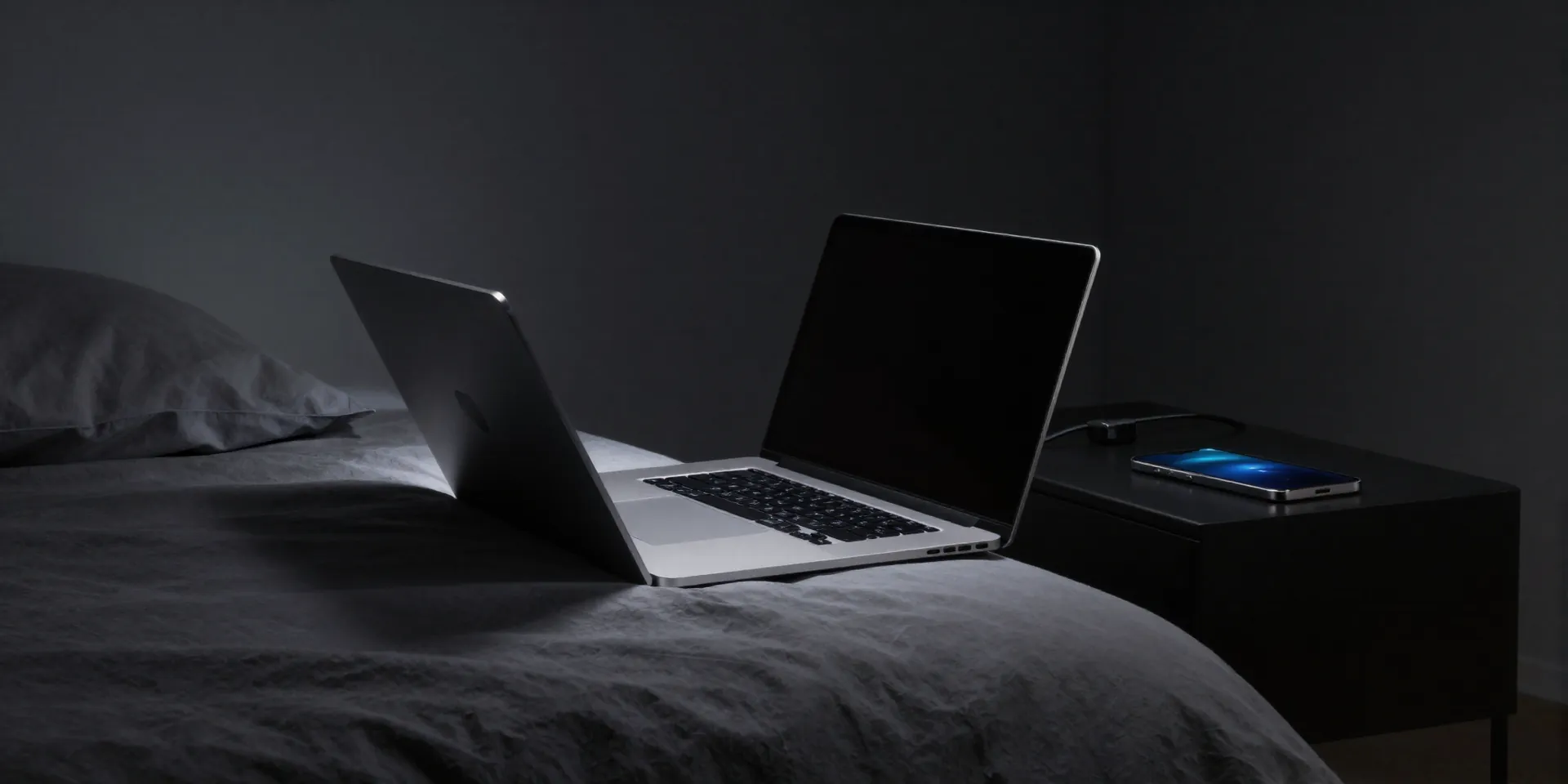
Here's the thing nobody warned you about. The very freedom that makes remote work amazing is a sleep hygiene nightmare. No commute means no clear start or end to your day. Your desk is five feet from your fridge and ten feet from your bed. The context collapse is real. Your brain associates every room with work, stress, and Slack pings. So when you finally try to shut down, it's like trying to sleep at your old office desk. Your mind is still tapping away at the keyboard of your anxieties. That's not insomnia. That's your environment screaming "BE PRODUCTIVE" 24/7.
Sleep Hygiene Isn't Woo-Woo. It's Code for Your Brain.

Forget the lavender sprays for a second. Think of sleep hygiene as system architecture for your human hardware. You wouldn't run a critical deployment on a cluttered, overheated server with fifty Chrome tabs open, right? So why do that to your head? Developer fatigue often starts with a refusal to shut down non-essential processes. A dark, cool room is like efficient cooling. A consistent "shutdown ritual" is your graceful `systemctl stop` command. Blocking blue light two hours before bed? That's just closing the ports to incoming stress traffic. It's not relaxation. It's systems maintenance.
The Vicious Cycle: Bad Sleep Fuels Burnout Which Ruins Sleep
This is where it gets ugly. Poor sleep makes you irritable, unfocused, and slow. Your work suffers. You feel behind. So you push harder, work later, and sacrifice more sleep to "catch up." You drink more caffeine, which wrecks your sleep quality even more. The next day, you're deeper in the hole. It's a positive feedback loop of misery. You're not burning out because you're weak. You're burning out because you're stuck in a broken algorithm where the only variable you're adjusting is "hours awake." It's a trap. And the walls are your own four.
Actionable Fixes for the Chronically Online
Okay, lecture over. What do you actually do? Start with a hard boundary. A physical one. Can you close the office door? Great. Can't? Get a visual divider. A screen. A curtain. Something your eyes can see that says "THE WORKPLACE STOPPED HERE." Next, weaponize light. Get bright, blue-ish light in your face first thing in the morning (sunlight is best). Then, two hours before bed, kill the overheads. Use lamps. Enable night shift on everything. Your most important tool? A dumb alarm clock. Get your phone out of the bedroom. Yes, really. The goal is to break the association that your bed is a secondary notification center. Reclaim your sanctuary.