Designing a Home Office Setup for Better Mental Health
Listen, the quickest path to burnout is when work bleeds into everything. It starts with checking email on the couch. Then you're answering Slack messages while making dinner. Suddenly, you're never *not* working. So step one is brutal: define the space. A real, actual, physical line. A dedicated room with a door you can close is the dream. But if you're working with a nook or a corner, create a visual cue. A room divider. A specific rug that marks the "office zone." A lamp you only turn on when you're "clocked in." Your brain needs the signal. Clock out, walk away, and mean it.
Your Brain Craves Windows (And Fresh Air)
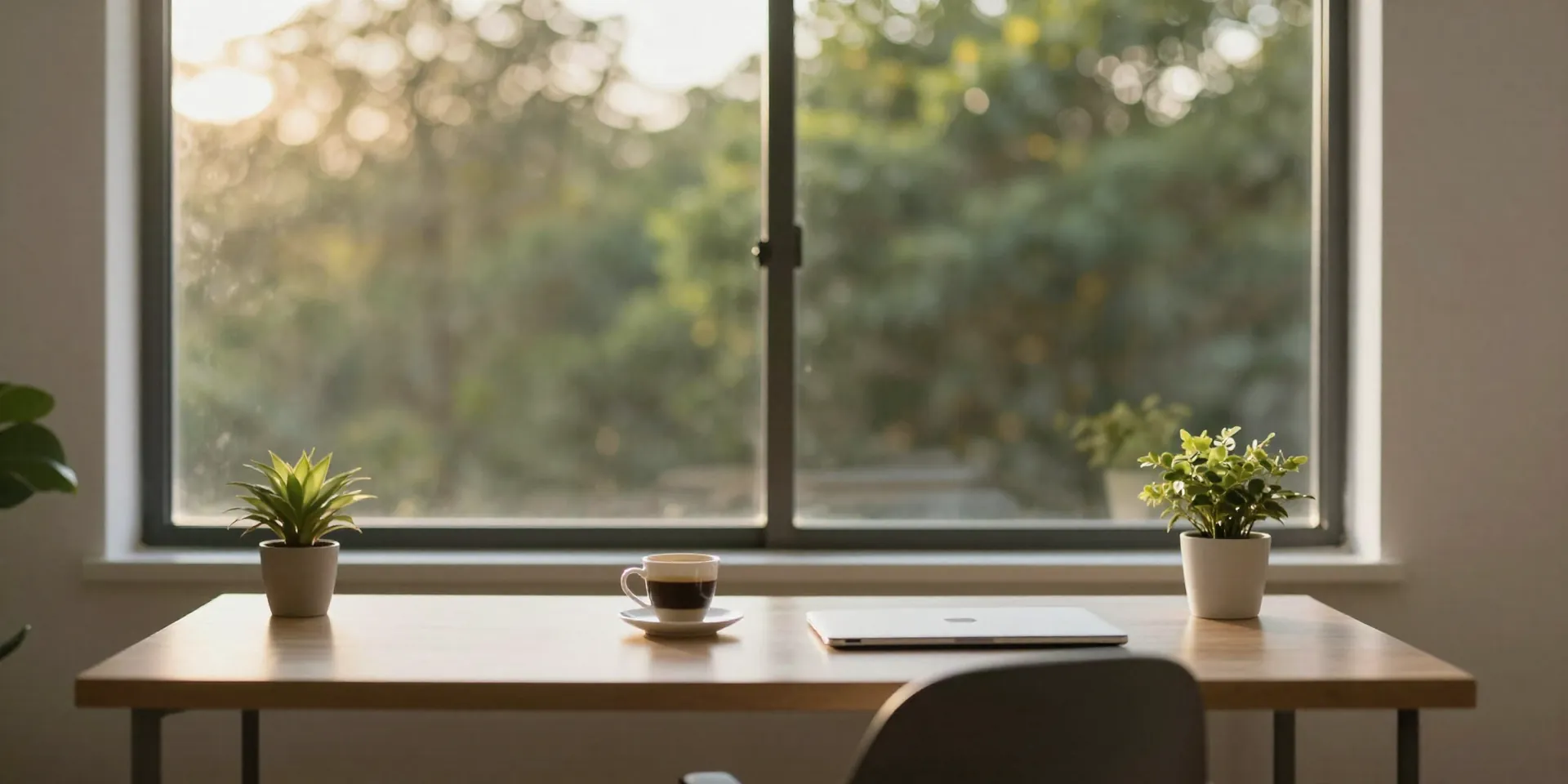
Here's the thing they don't tell you in the ergonomics manuals: your mood is tied to light and air. That dark cave in the basement? It's a depression trap. Position your desk to face a window if you can. Not only does it save your eyes from staring into a wall, but the natural light regulates your circadian rhythm. It tells your body when it's day and when it's night. And for the love of all things holy, crack a window. Stale, recirculated air makes you sluggish. A breeze, even a small one, feels like a reset. Can't open a window? Get a decent air filter and some plants. Spider plants, peace lilies, snake plants. They're not just decor; they're tiny, quiet roommates that clean your air.
The Chair is Everything. And It's Not the Only Thing.
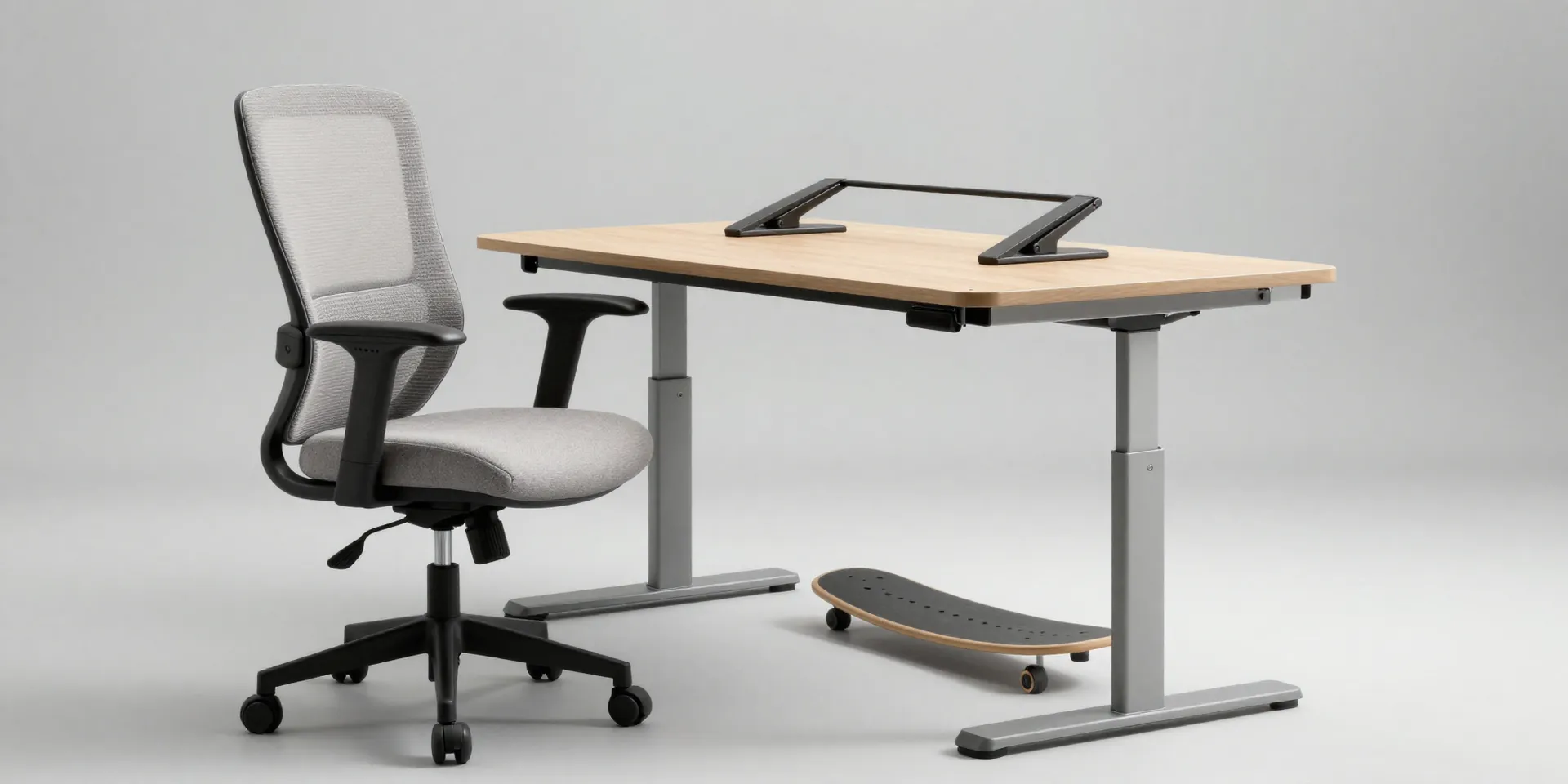
Let's talk about your butt. And your back. You will spend thousands of hours in that chair. Don't cheap out. A good ergonomic chair isn't a luxury; it's a medical device for someone who works remotely. But. Sitting all day is terrible for you, no matter how fancy the chair. You need movement. The best investment after the chair? A standing desk converter. Nothing fancy. Just something to get you off your seat for 30-minute chunks. Shift your weight. Tap your feet. The goal isn't to stand still for eight hours—it's to never be static for too long. Your body and your focus will thank you.
Clutter is Visual Noise. Drown It Out.
A chaotic desk equals a chaotic mind. I'm not saying you need a sterile, empty surface. But the piles of unpaid bills, the kids' toys, the random cables? That's visual static. It's subconscious stress. Get ruthless with cable management. Use trays and drawers. Have a designated spot for "in-progress" stuff and a bin for everything else. Then, after you've cleared the junk, add back *intentional* items. One piece of art you love. A photo that makes you smile. A cool rock your kid gave you. This isn't about being a minimalist; it's about being a curator. Your workspace should contain only what supports your work or your joy. Nothing else.
The Silent Burnout Culprit: Your Tech Itself
We're so focused on the furniture, we forget the screens are beaming stress directly into our eyeballs. Blue light after sunset messes with your sleep. Notifications are constant, tiny anxiety pings. So, fight back. Use night mode on your devices religiously after 6 PM. Consider blue light blocking glasses—they look dorky, but they work. And the big one: turn off non-essential notifications. Every "ding" from a non-urgent email or Slack channel is a micro-interruption. It shatters your flow state. Your phone doesn't need to be face-up, either. Flip it over. The world can wait an hour. This isn't about being unreachable; it's about being in control of your attention, which is your most precious resource.